Your Snacks Can Help Your Tan
Tanning is already a full sensory experience — the warmth, the music, the vibes. But what about snacks? Turns out, what you eat while tanning (and in general) can actually affect how well you tan, how long your tan lasts, and how healthy your skin stays in the process. Some foods literally boost your tan, while others can work against you.
Before you grab that bag of chips and head outside, let's talk about what you should (and shouldn't) be munching on during your tanning sessions.
Hydrating Fruits Are the Move
You already know hydration is crucial for tanning. But drinking water gets boring. Hydrating fruits give you water, vitamins, and natural sugars all in one delicious package. These are your top picks:
Watermelon: Like 92% water. It's basically eating a water bottle that tastes amazing. Plus it contains lycopene, which has natural sun-protective properties. Grapes: Hydrating, easy to eat, and contain resveratrol, which some research suggests helps protect skin from UV damage. Freeze them the night before for the ultimate cold tanning snack. Strawberries: Packed with vitamin C, which helps your skin repair itself after UV exposure and supports collagen production. Oranges/clementines: More vitamin C, plus they're refreshing and easy to peel while lying down. Pineapple: Hydrating and contains bromelain, an enzyme that reduces inflammation — which can help if you get a little too much sun.
Beta-Carotene Snacks for Golden Color
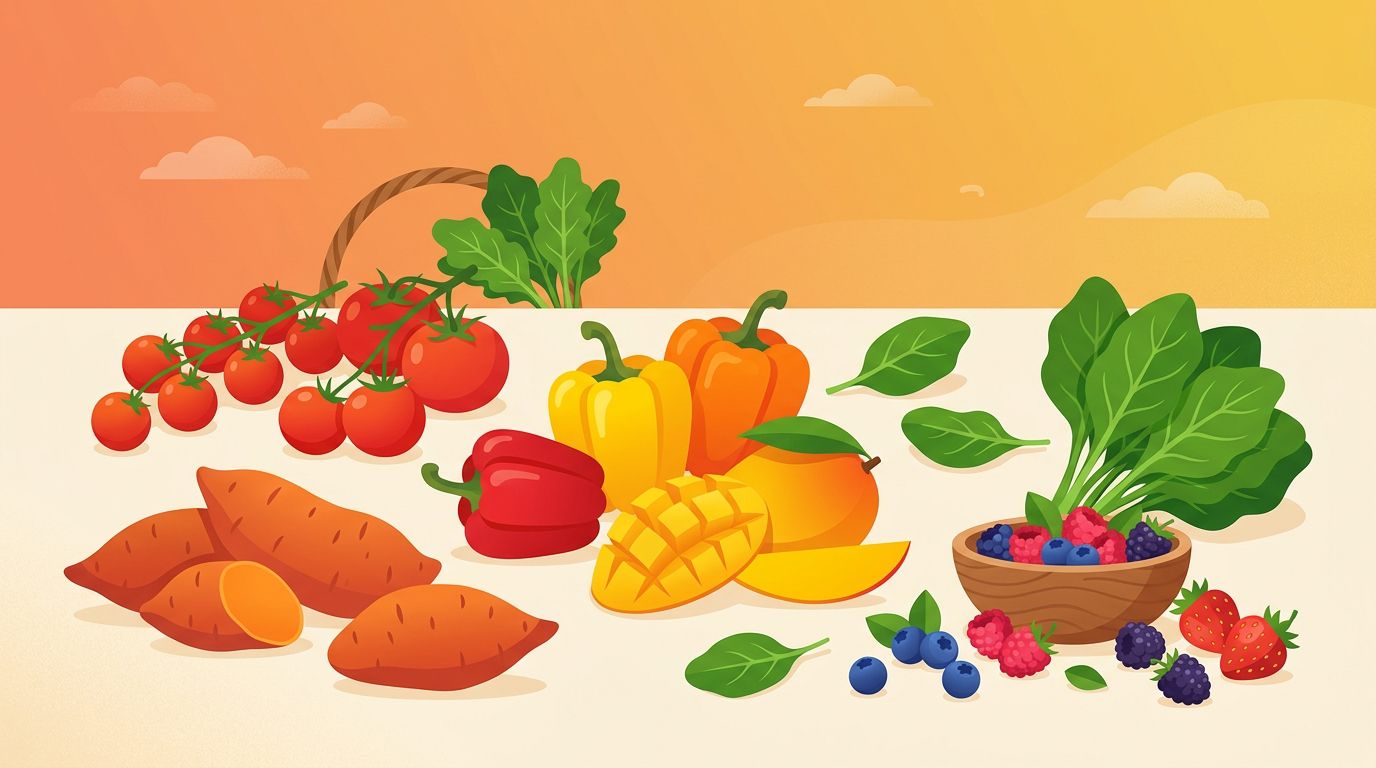
This is the real secret weapon. Beta-carotene is a pigment found in orange and red foods that, when consumed regularly, deposits in your skin and gives it a warm, golden undertone. It literally makes your tan look more golden and vibrant. Science calls it "carotenodermia" — and studies show that people find this golden tone even more attractive than a UV-only tan.
Carrots: The classic beta-carotene source. Baby carrots are the perfect tanning snack — crunchy, hydrating, and they make your tan glow. Mango: Loaded with beta-carotene and absolutely delicious. Cut some up before your session. Sweet potato: Not exactly a lying-in-the-sun snack, but eat sweet potatoes regularly and your skin will thank you with a warmer tone. Cantaloupe: Hydrating plus beta-carotene. Double win. Dried apricots: Concentrated beta-carotene in a portable snack. Toss some in a bag.
What to Skip
Not all snacks are tanning-friendly. Some can actually make your experience worse:
Salty chips and pretzels: Salt dehydrates you. You're already losing water through sweat in the sun. Adding a bunch of sodium on top means your body has to pull water from your skin and tissues to process the salt. Dehydrated skin tans worse and is more prone to burning. Candy and sugary snacks: High sugar can cause inflammation in your body, which makes your skin more reactive to UV. Not great when you're trying to tan without burning. Alcohol: Yes, a hard seltzer while tanning sounds fun. But alcohol dehydrates you significantly and impairs your judgment about how long you've been in the sun. More people burn while drinking than at any other time. Save it for after. Heavy, greasy food: Nobody wants to eat a burger while lying in the sun. Heavy food makes you sluggish and can cause bloating, which isn't comfortable when you're trying to relax and tan.
Timing Your Snacks
The best approach is to have a light meal or substantial snack about 30-60 minutes before your tanning session. This gives your body energy without making you feel full and uncomfortable. Then bring small, easy snacks for during the session.
Foods that are easy to eat while lying down are key. Nobody wants to sit up and deal with a full salad. Grapes, berries, baby carrots, cut melon, and dried fruit are all one-hand, minimal-mess options that you can munch on without interrupting your tan.
Nut and Seed Power Snacks
Nuts and seeds deserve their own section because they are some of the most underrated tanning snacks. They are portable, do not need refrigeration, and they deliver exactly the nutrients your skin needs during a UV session.
Almonds: High in vitamin E, which is one of the most potent skin-protecting antioxidants. Vitamin E sits in your skin cell membranes and neutralizes free radicals generated by UV exposure. A small handful (about 23 almonds) gives you 37% of your daily vitamin E. They also contain healthy fats that help your body absorb the beta-carotene from those carrots and mangoes you are also eating.
Sunflower seeds: Another excellent source of vitamin E, plus selenium, which supports the enzymes that repair UV-damaged DNA. A quarter cup of sunflower seeds gives you nearly 50% of your daily vitamin E. They are easy to munch mindlessly while lying in the sun.
Brazil nuts: The single richest food source of selenium. Just two Brazil nuts give you more than your daily requirement. Selenium works with vitamin E to protect skin cells from oxidative damage caused by UV exposure. Do not eat more than 3-4 per day though — too much selenium is not good either.
Pumpkin seeds (pepitas): Rich in zinc, which plays a direct role in skin repair and immune function. After UV exposure, your skin goes through a repair cycle, and zinc is essential for that process. A quarter cup also provides protein and healthy fats. They are crunchy, slightly salty, and pair well with dried fruit.
The best approach is to make a custom trail mix with a combination of these nuts and seeds, plus some dried mango or apricots for beta-carotene. This gives you a perfectly balanced tanning snack in one grab bag — skin protection from the vitamin E and selenium, melanin support from the beta-carotene, and hydration support from the healthy fats that help your body retain moisture.
The Ultimate Tanning Snack Pack
Here's what to pack for a perfect tanning session:
A big water bottle (minimum 24 oz). Frozen grapes in a container. Baby carrots or carrot sticks. Cut watermelon or mango in a sealed container. A handful of dried apricots or mango. Strawberries or blueberries.
That's it. Simple, hydrating, full of vitamins and beta-carotene, and nothing that'll make you feel gross in the heat. Your skin gets the nutrients it needs to tan well and stay healthy, you stay hydrated, and you have something delicious to snack on while you bronze.
Homemade Snack Recipes for Tanning
If you want to level up from basic fruit and carrots, here are a few easy recipes you can prep the night before a tanning session. They are all designed to be portable, non-messy, and packed with skin-supporting nutrients.
Beta-Carotene Energy Balls. Mix 1 cup oats, 1/2 cup almond butter, 1/3 cup honey, 1/4 cup finely grated carrot, and 2 tablespoons dried mango (chopped small). Roll into balls and refrigerate overnight. Each ball is packed with beta-carotene and healthy fats that help your body absorb it. These keep in a cooler for hours and taste like a treat.
Tropical Tan Trail Mix. Combine dried mango slices, dried pineapple chunks, macadamia nuts, coconut chips, and a handful of dark chocolate chips. The mango and pineapple deliver beta-carotene and bromelain, the nuts add healthy fats and vitamin E (a powerful skin protector), and the coconut chips add crunch. The dark chocolate is just for morale — though it does contain antioxidants that support skin health.
Watermelon Mint Bites. Cut watermelon into cubes, toss with fresh mint leaves and a squeeze of lime. Store in a sealed container and keep cold. The lycopene in watermelon may reduce UV-induced redness by up to 40% when eaten consistently, and the mint makes it incredibly refreshing in the heat. This is the single best "while tanning" snack you can bring.
Cucumber Hummus Cups. Hollow out thick cucumber rounds and fill them with hummus. Top with a tiny sprinkle of paprika. Cucumbers are 96% water (ultimate hydration), hummus provides protein and healthy fats, and paprika contains beta-carotene. They look cute, taste great, and are basically zero-mess to eat lying down.
Hydration Strategy: Beyond Just Water
We all know we should drink water while tanning, but there is a smarter approach than just chugging a bottle when you remember. Your body absorbs water more effectively when you drink smaller amounts consistently rather than large amounts occasionally. Aim for a few sips every 10-15 minutes rather than draining a full bottle every hour.
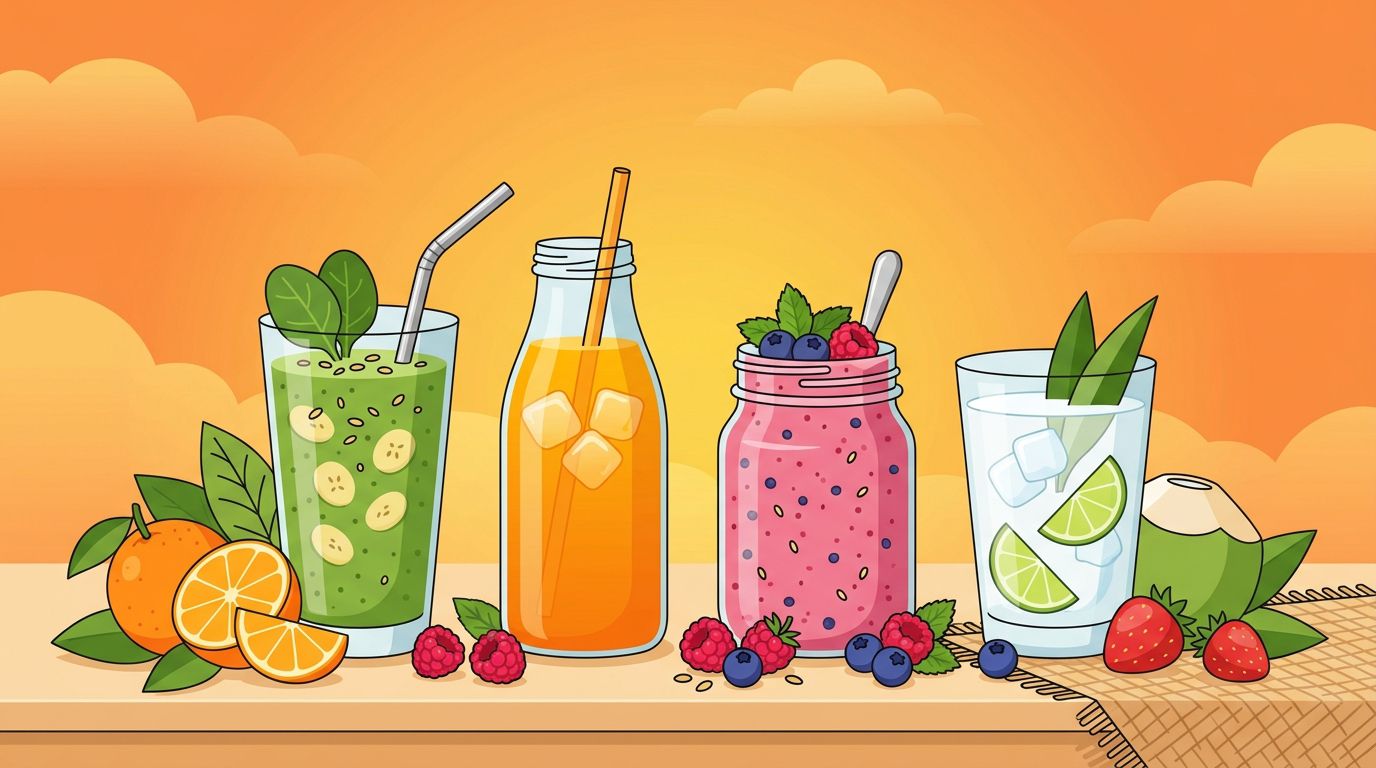
Electrolytes matter too. When you sweat in the sun, you lose sodium, potassium, and magnesium — not just water. Plain water replaces the H2O but not the minerals. Adding electrolyte powder to your water, drinking coconut water, or eating salty snacks (in moderation) helps your body actually hold onto the water you drink rather than flushing it straight through.
Signs you are getting dehydrated: headache, darker urine, dry lips, feeling lightheaded. If you notice any of these, move to shade, drink water with electrolytes, and do not go back into the sun until you feel normal again. Dehydration does not just feel bad — it makes your skin more vulnerable to UV damage and leads to uneven, patchy tans that fade quickly.
Use the tanning calculator to plan your session length based on current UV conditions. Knowing exactly how long you should be out removes the temptation to stay longer than your skin can handle — especially when you are comfortable and the snacks are good. Our complete nutrition guide covers the full dietary approach to supporting your tan, and the vitamin D calculator shows you how much vitamin D you are producing during your tanning sessions.
Eat for Your Tan All Week
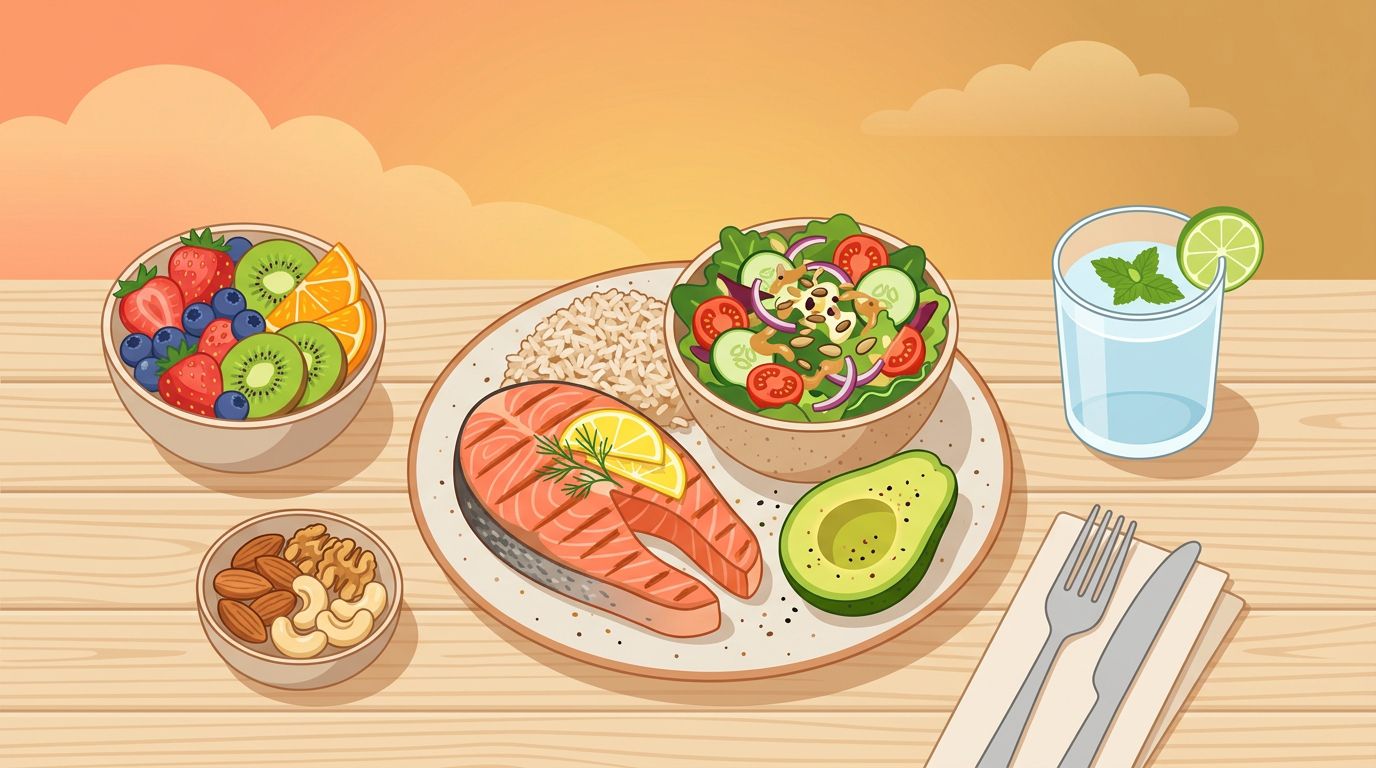
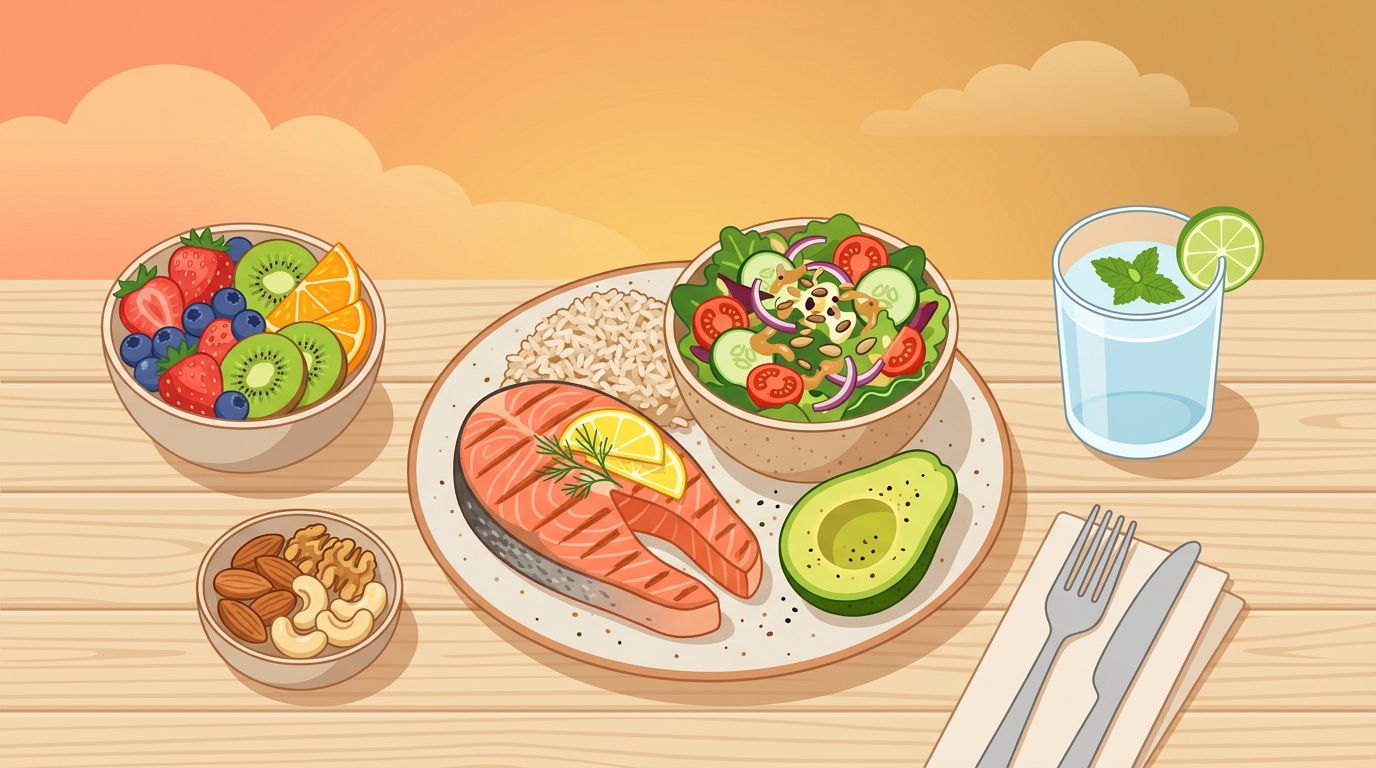
Tanning snacks aren't just about what you eat during sessions. What you eat all week affects your skin. Regularly eating foods rich in beta-carotene, vitamin C, vitamin E, and healthy fats (avocados, nuts, olive oil) keeps your skin healthy, resilient, and ready to tan. Think of your diet as your long-term tanning support system.
The girls with the best, longest-lasting, most golden tans? They're eating their fruits and vegetables. It's not just health advice — it's tan advice.
Learn more: Foods That Help You Tan | Anti-Bloat Foods for Beach Day