Summer Is Your Season
This is it. The main event. Summer is when the UV is strongest, the days are longest, and you actually have time to lay out and work on your tan. But here's the thing about peak tanning season — it's also peak burning season. The same intense UV that gives you a gorgeous golden tan can absolutely wreck your skin if you're not careful. So let's talk about how to make summer tanning work for you instead of against you.
Summer UV in the US typically ranges from 7-11 depending on your location, and in southern Europe it's 8-10+. That's strong enough to tan (or burn) in as little as 15 minutes if you're fair-skinned. Respect the sun and it'll give you exactly what you want.
Best Months by Region
Not all summer months are created equal. Here's when you'll get the best tanning conditions:
US — South (FL, TX, AZ, SoCal): May through September. June and July are the strongest, but honestly May and August are just as good with slightly more comfortable temperatures. US — Northeast & Midwest: June through August. July is your peak month. Southern Europe (Italy, Spain, Greece): June through September. July and August are intense — UV 9-10 regularly. UK & Northern Europe: June through August, with July being the sweet spot. UV 6-8 on good days.
If you're planning a vacation, aim for these windows. You'll come back with color that lasts well into fall.
Morning and Evening Sessions Are Your Move
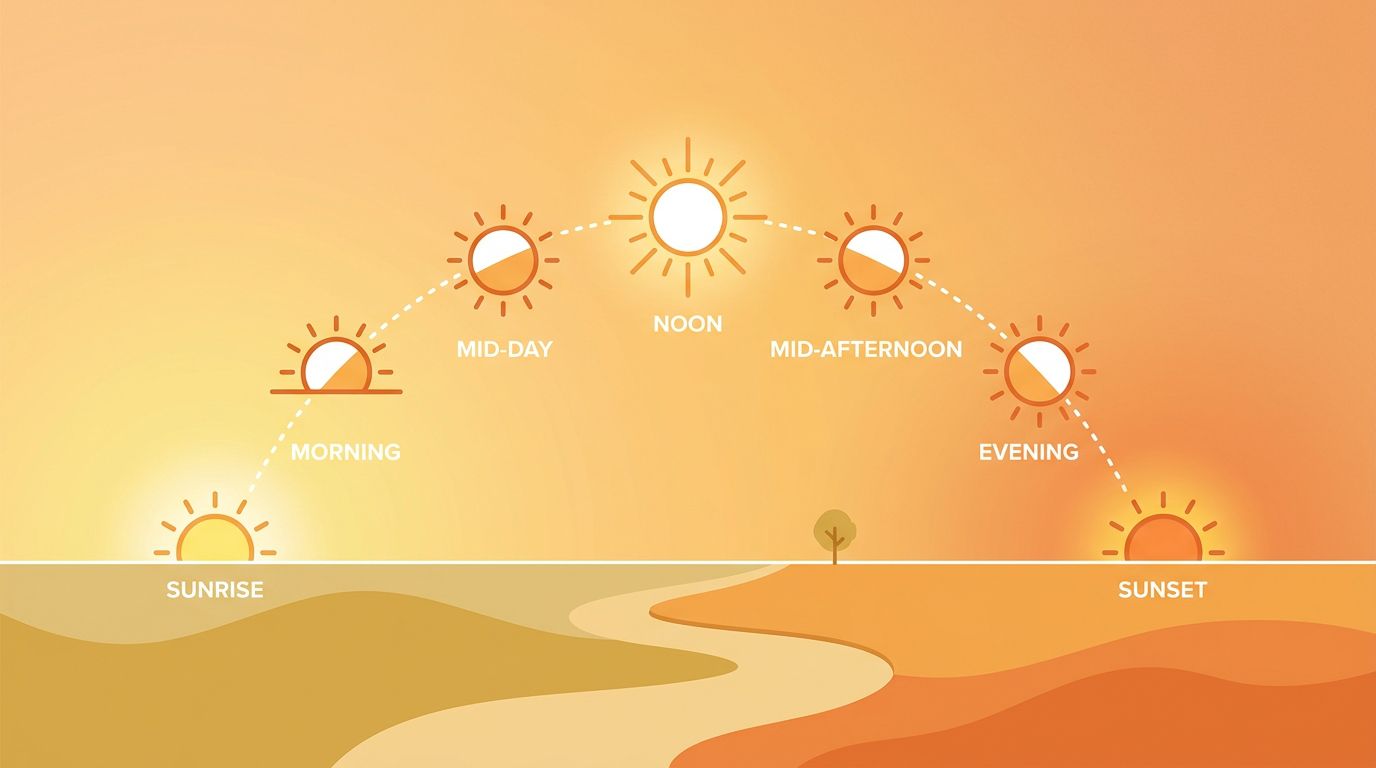
This is the most important piece of summer tanning advice: avoid midday sun. Between 10 AM and 2 PM (sometimes extending to 4 PM in really hot areas), the UV is at its absolute peak. This is when burns happen fastest and most severely.
Instead, tan in the morning (8-10 AM) or late afternoon (4-6 PM). The UV is still strong enough to give you color — we're talking UV 4-7 during these hours in summer — but it's much more forgiving. You can have longer, more relaxed sessions without the constant fear of burning. Plus, the light is warmer and more golden during these hours. It's literally the best tanning light.
Hydration Is Non-Negotiable
Summer tanning and dehydration go hand in hand if you're not proactive. You're lying in direct sun, sweating, losing water through your skin, and probably not drinking enough because you're vibing. This is how people end up with headaches, dizziness, and dry skin that doesn't hold a tan.
Drink water before, during, and after your tanning session. We're talking at least 16-20 ounces before you go out, and keep a water bottle next to you the entire time. Coconut water is great too — it replenishes electrolytes you're sweating out. Avoid alcohol while tanning (sorry, not sorry). It dehydrates you even faster and makes you more likely to fall asleep in the sun.
SPF Strategy for Summer
In summer UV, SPF 30 is the minimum. If you're fair-skinned or it's your first week of tanning, go with SPF 50. Apply 20 minutes before your session, and reapply every 60-90 minutes or immediately after swimming or heavy sweating.
Yes, you will still tan with sunscreen on. This is not up for debate — it's science. SPF 30 lets through enough UV to stimulate melanin production while preventing the burn that would ruin your tan (and your skin) anyway. A burn doesn't turn into a tan. It turns into peeling, which removes the tan you already had. SPF protects your progress.
Watch for Heat Exhaustion
Summer tanning comes with a risk that other seasons don't: heat-related illness. If you start feeling dizzy, nauseous, extremely thirsty, or get a headache while tanning, get out of the sun immediately. Move to shade, drink cold water, and put a cool cloth on your neck. These are signs of heat exhaustion, and pushing through them can lead to heat stroke, which is a medical emergency.
Keep sessions to 30-45 minutes maximum in high UV, take shade breaks, and listen to your body. No tan is worth making yourself sick.
Make It Last
Summer tans fade fast if you don't maintain them. Moisturize every single night. Use an after-sun lotion with aloe after tanning. Avoid harsh exfoliants that strip your top layer of skin. Drink your water. Eat foods rich in beta-carotene (sweet potatoes, carrots, mangoes) to enhance that golden tone from the inside.
Summer is short. Make every session count, be smart about it, and you'll carry that glow all the way into October.
Learn more: Best Time of Day to Tan | How to Tan Without Burning
Summer Scheduling
Work schedule: Lunch break tanning — even 15-20 minutes in UV 7-8 is productive. Use our tanning calculator.
Student summer: Two 30-minute sessions (morning and late afternoon) beat one 3-hour midday burn-fest.
Vacation: Build gradually. Morning and late afternoon sessions with midday shade. By day 4-5, gorgeous color without agony.
Dealing With Summer Heat
Damp towel in a cooler for periodic cooling. Cold water spray bottle. If you feel nauseous, dizzy, or headachy — get out immediately. These are heat exhaustion symptoms that can progress to heat stroke. Move to shade, drink cold water, apply cool compresses.
Summer Product Swaps
Bump from SPF 30 to SPF 50 as UV intensifies. Switch to water-resistant formulas. After-sun lotion with aloe is essential. Our best products guide has recommendations. Take the skin type quiz — summer is when your exact Fitzpatrick type matters most.
The Melanin Plateau
After 3-4 weeks of consistent summer tanning, you hit maximum melanin production. Shift from building to maintaining — two sessions per week is enough. More just adds UV damage without adding color. Focus on skin health: deep moisturizing, antioxidant-rich diet (check our nutrition guide), gentle exfoliation. The goal shifts from "get darker" to "stay gorgeous."
Summer Vacation Tanning Protocol
Vacation tanning requires a completely different mindset than at-home tanning because the UV is usually much stronger (especially tropical destinations), you are outside more hours per day, and the temptation to marathon-tan is overwhelming. Here is the smart vacation approach:
Day 1-2: Ease in. Even if you already have a base tan, vacation UV is likely higher than what you are used to at home. Limit your first two days to morning and late afternoon sessions (before 10 AM and after 4 PM). Use SPF 50 everywhere. This adjustment period prevents the painful burn that ruins the rest of the trip.
Day 3-5: Build. Your skin has adapted to the local UV. You can extend sessions to midday (10 AM - noon) with SPF 30-50. Take a lunch break in shade. Afternoon session from 3-5 PM. This is where you build most of your vacation color.
Day 6+: Maintain. By now you should have excellent color. Shift to maintenance mode — shorter sessions, higher SPF, more shade time. Focus on evening out any lagging areas. Your tan continues building from existing melanin production between sessions.
The biggest vacation tanning mistake is trying to get your entire tan on Day 1. Every year, hotels around the world fill up with people who looked like lobsters by dinner on their first night, then spent the rest of the trip hiding under towels. Do not be those people. Gradual building on vacation produces a deeper, more even, and longer-lasting tan than one day of overexposure ever could.
End-of-Summer Tan Preservation
As summer winds down in late August and September, your goal shifts from building to preserving. Here is how to carry your summer color deep into fall:
Reduce session frequency, not length. Instead of 3-4 sessions per week, drop to 1-2. Keep the same session duration to maintain your melanin level. Your skin needs less frequent stimulation to maintain color than to build it.
Start gradual self-tanner maintenance. As UV drops in September, begin applying gradual self-tanner 1-2 times per week to supplement decreasing natural color. This creates a seamless transition from "sun-tanned" to "still glowing" that can carry you through October or even November without anyone noticing the change.
Deep moisturize aggressively. Fall air is drier. Your tanned skin cells need maximum hydration to stick around as long as possible. Switch to a richer body lotion and apply more frequently — at least twice daily. Well-moisturized tanned skin can hold its color 2-3 weeks longer than dry skin.
Avoid harsh exfoliation. Cut back to once per week at most. Every exfoliation session removes some tanned cells. Be gentle and let your color fade naturally rather than scrubbing it away.
With these strategies, a strong summer tan can last visibly through October in most climates. Combined with gradual self-tanner, you can maintain warm color all the way through November before accepting that winter has won.
Recovery From Overexposure
If you DO accidentally overdo it (it happens to everyone at least once per summer), here is the recovery protocol that minimizes damage and gets you back to tanning safely:
First 24 hours: Cool compresses, aloe vera, ibuprofen for inflammation. Drink extra water — your body is managing an inflammatory response and needs fluids. Stay completely out of the sun. Do not apply any products with retinol, AHAs, or fragrances to burned skin.
Days 2-3: Continue aloe and moisturizing. The redness should be fading. Do not scratch or peel any flaking skin — let it come off naturally. Peeling manually takes healthy tanned cells with it.
Days 4-5: Your skin should be mostly healed. Gentle moisturizing continues. You can resume normal skincare products. Do NOT tan yet — your skin needs more recovery time.
Days 6-7: You can do a very short, gentle tanning session (10-15 minutes, SPF 50) to test your skin's readiness. If everything feels fine with no unusual sensitivity, you can gradually return to your normal schedule over the next few sessions.
The key lesson: one overexposure does not ruin your summer tan permanently. But it does set you back about a week. Prevention (timers, SPF, the tanning calculator) is always better than recovery. Learn from the mistake and do not repeat it — your skin is keeping a running tab of total UV damage, and every unnecessary burn adds to it.