← Blog

Beste Snacks Fürs Bräunen: Was Knabbern Während du Braun Wirst

Bunte Auswahl an Wassermelone Karotten Mangos und Beeren auf einem Handtuch für eine Bräunungs-Session

Deine Snacks beeinflussen deine Bräune

Was du isst — während und generell — beeinflusst wie gut du bräunst, wie lange es hält, und wie gesund die Haut bleibt.

Hydrierende Früchte

Wassermelone: 92% Wasser + Lycopin. Gefrorene Trauben: Der ultimative Kalt-Snack. Erdbeeren: Vitamin C für Hautreparatur. Orangen: Erfrischend und vitaminreich. Ananas: Bromelain reduziert Entzündungen.

Beta-Carotin für goldenen Unterton

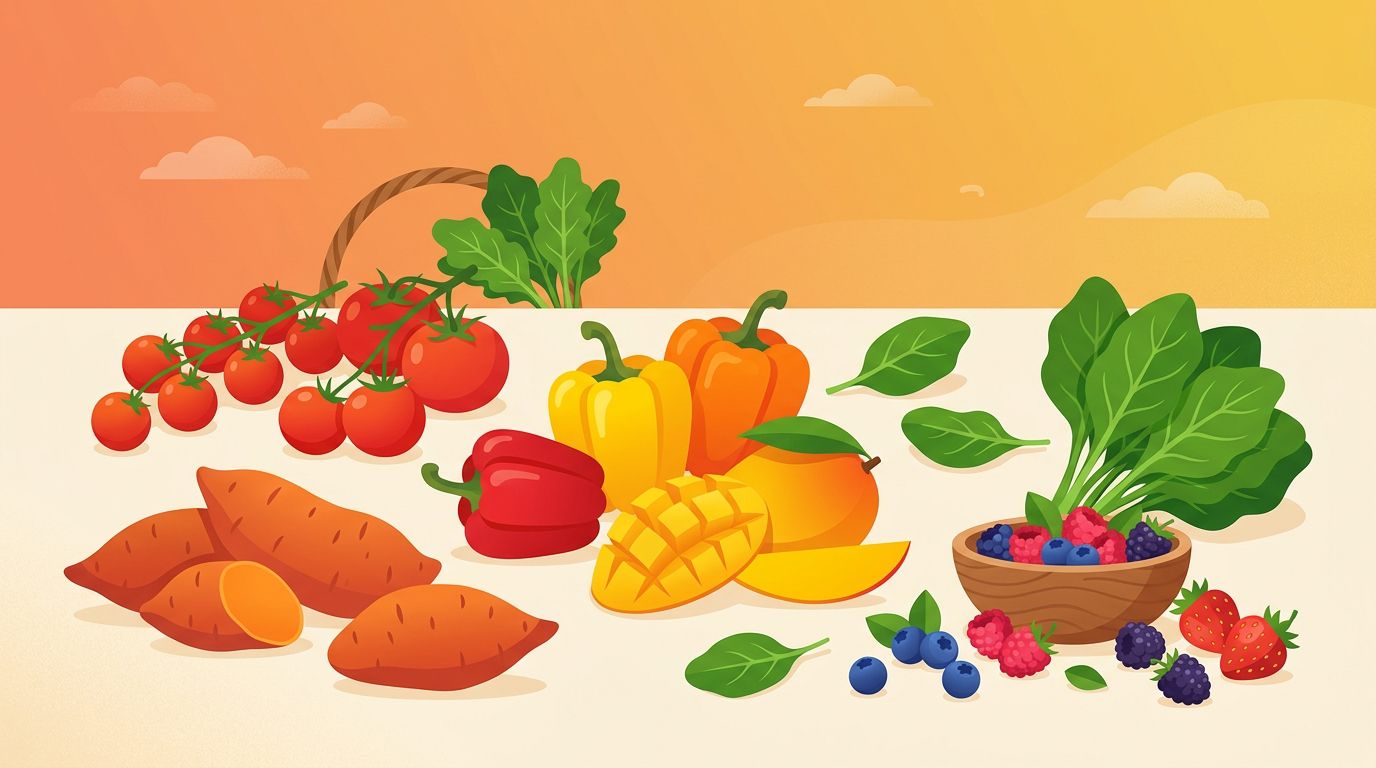
Die Geheimwaffe. Beta-Carotin lagert sich in der Haut ein und macht die Bräune goldener. Baby-Karotten, Mango, getrocknete Aprikosen, Honigmelone.

Was vermeiden

Salzige Chips (dehydrieren). Süßigkeiten (Entzündung). Alkohol (dehydriert + Urteilsvermögen). Schweres Essen.

Der ultimative Bräunungs-Snack-Pack

Große Wasserflasche. Gefrorene Trauben. Baby-Karotten. Wassermelone/Mango. Getrocknete Aprikosen. Erdbeeren.

Mehr erfahren: Lebensmittel die beim Bräunen helfen

Get personalized tanning plans

Tan AI tracks UV, analyzes your skin type, and coaches you to your best tan — safely.

Download on App Store Get it on Google Play

Sources & References

  1. Carotenoid and melanin pigment coloration affect perceived human health — Stephen et al., Evolution and Human Behavior, 2011
  2. Within-Subject Increases in Fruit and Vegetable Consumption Confer Beneficial Skin-Color Changes — Whitehead et al., PLoS ONE, 2012
  3. Dietary tomato paste protects against ultraviolet light-induced erythema in humans — Stahl et al., Journal of Nutrition, 2001
  4. Tomato paste rich in lycopene protects against cutaneous photodamage in humans — Rizwan et al., British Journal of Dermatology, 2011
  5. Omega-3 Fatty Acids and Dermatology — Sawada et al., Dermatology Practical & Conceptual, 2015
  6. Vitamin E in Dermatology — Keen & Hassan, Indian Dermatology Online Journal, 2016
  7. Biochemistry, Melanin — StatPearls, 2025
Disclaimer: This content is for informational purposes only and is not medical advice. UV exposure carries health risks including sunburn and skin damage. Always wear SPF 30+ and consult a dermatologist if you have skin concerns.