The Vitamin D Connection
You've probably heard people say "I need to get some sun for vitamin D" as their excuse to lay out. And you know what? They're not wrong — your body really does make vitamin D when your skin is exposed to UVB rays from the sun. But there's a LOT of confusion about how much sun you actually need, whether sunscreen blocks vitamin D, and whether tanning is the best way to get it.
Let's sort this out.
How Your Skin Makes Vitamin D
When UVB rays hit your bare skin, they trigger a chemical reaction that converts a form of cholesterol in your skin into vitamin D3. This then gets processed by your liver and kidneys into the active form of vitamin D that your body uses for bone health, immune function, mood regulation, and a bunch of other important stuff.
It's pretty incredible when you think about it — your skin is literally a vitamin D factory powered by sunlight.
How Much Sun Do You Actually Need?
Here's the thing that surprises most people: you don't need much sun at all for vitamin D. Most dermatologists and health organizations agree that 10-15 minutes of sun exposure on bare arms and legs, a few times per week, is enough for most people to maintain healthy vitamin D levels.
That's it. 10-15 minutes. You don't need to spend hours baking in the sun for vitamin D. A short walk outside, eating lunch in the sun, or even just your arms being exposed during a drive is often enough.
Factors that affect how much you need:
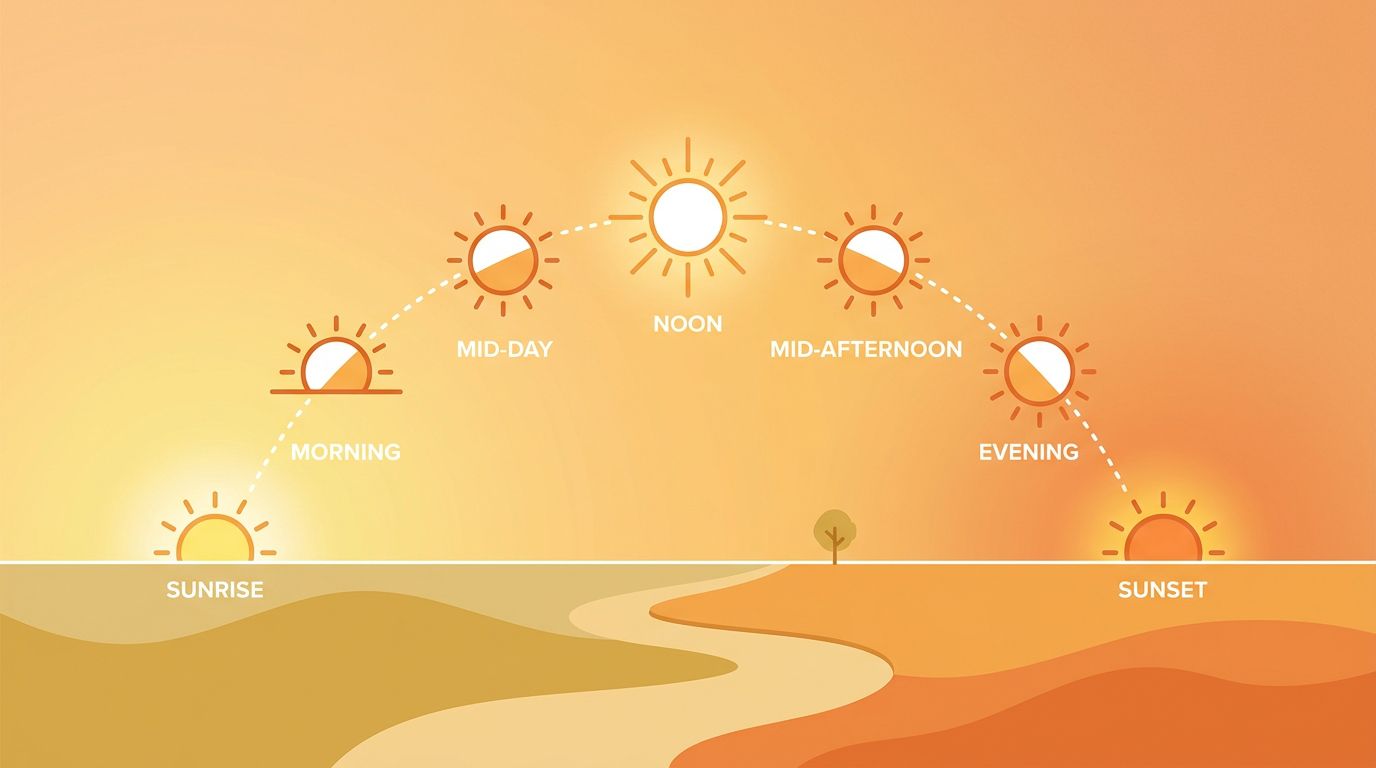
Skin tone: Darker skin has more melanin, which acts as a natural sunscreen. People with darker skin need more sun exposure (up to 25-30 minutes) to produce the same amount of vitamin D. Location: If you live farther from the equator (northern US, UK), you get less UVB, especially in winter. Time of year: Winter sun in northern areas may not provide enough UVB for vitamin D production at all. Time of day: UVB is strongest during midday hours (10 AM - 2 PM), which is when vitamin D production peaks.
The SPF and Vitamin D Myth
This is a big one. You've probably heard that "sunscreen blocks vitamin D production." This has been used as an argument against wearing SPF. But the research tells a different story:
Studies have shown that regular sunscreen use does NOT lead to vitamin D deficiency in real-world conditions. Why? Because nobody applies sunscreen perfectly. We all miss spots, apply too little, or don't reapply on time. That imperfect application lets enough UVB through for vitamin D production.
In controlled lab settings, yes, perfect SPF 30 application blocks about 97% of UVB. But in real life? Your skin still gets enough UVB to make vitamin D even with sunscreen on. So "I need vitamin D" is not a valid reason to skip SPF.
Tanning for Vitamin D: Necessary?
Let's be clear: you do NOT need to tan to get vitamin D. The amount of UV exposure needed for vitamin D is way less than what you need to visibly darken your skin. Tanning is great if that's what you want for aesthetic reasons, but don't justify extended sun sessions by saying "it's for my health."
If you're tanning anyway? Cool, you're definitely getting enough vitamin D. But the tanning is optional — the vitamin D is not.
Food Sources of Vitamin D
If sun exposure isn't consistent (winter, indoor lifestyle, very fair skin that burns easily), you can get vitamin D from food:
Fatty fish: Salmon, mackerel, sardines, tuna — these are the best food sources. Egg yolks: One egg has about 6% of your daily value. Fortified foods: Many milks, cereals, and orange juices are fortified with vitamin D. Mushrooms: Some varieties produce vitamin D when exposed to UV light. Supplements: Vitamin D3 supplements (1000-2000 IU daily) are safe and effective if you're not getting enough from sun and food.
Signs You Might Be Low
Vitamin D deficiency is actually really common, especially in northern climates. Watch for: constant tiredness, frequent illness, bone or back pain, low mood (especially in winter), and slow wound healing. If you notice these, talk to your doctor about getting your levels checked — it's a simple blood test.
Vitamin D by Season and Location
Where you live and what time of year it is dramatically affects your vitamin D production from sunlight. This is something most people do not think about, but it is a major factor.
Summer months (June-August in Northern Hemisphere): Vitamin D production is easy. The sun is high, UVB is abundant, and most people get enough vitamin D from incidental exposure — walking to work, eating lunch outside, weekend activities. Tanning sessions on top of this give you more than enough.
Spring and fall (March-May, September-November): Vitamin D production is moderate. The sun angle is lower, meaning less UVB reaches the surface. You still produce vitamin D from sun exposure, but you might need slightly longer sessions. This is also when a lot of people start their tanning season, so you are building a tan AND building vitamin D stores at the same time.
Winter months (November-February in Northern Hemisphere): This is where it gets tricky. If you live above 37 degrees latitude (roughly north of San Francisco, Seville, or Seoul), the sun angle during winter is so low that virtually no UVB reaches the surface during most of the day. Your skin literally cannot make vitamin D from winter sun in places like London, Chicago, Berlin, or Moscow. Even if you went outside in a swimsuit in January in New York, you would produce negligible vitamin D.
For people in these locations, winter vitamin D absolutely must come from food or supplements. This is one reason why vitamin D deficiency rates spike in winter and why seasonal depression (partially linked to low vitamin D) is so common in northern climates.
Curious how much vitamin D your current sun exposure is producing? Our vitamin D calculator factors in your location, time of year, skin type, and session length to give you a realistic estimate.
Vitamin D and Skin Type
Your skin type has a significant impact on how efficiently you produce vitamin D from sunlight. This is an area where the science is clear and the practical implications matter:
Fair skin (Fitzpatrick Type I-II): Produces vitamin D very efficiently. As little as 5-10 minutes of midday sun on bare arms and legs can produce 1,000+ IU of vitamin D. The trade-off is that you also burn faster, so your vitamin D window overlaps with your burn window. SPF protects you from burns while still allowing enough UVB through for vitamin D production.
Medium skin (Fitzpatrick Type III-IV): Needs 15-20 minutes of midday sun for equivalent vitamin D production. Your higher melanin levels naturally filter more UV, which means you need slightly more exposure time. The good news is you also have more burn protection built in.
Dark skin (Fitzpatrick Type V-VI): May need 25-40 minutes of midday sun for adequate vitamin D production. The high melanin content that makes dark skin beautiful and burn-resistant also significantly reduces UV penetration for vitamin D synthesis. People with dark skin living in northern latitudes are at the highest risk of vitamin D deficiency and should seriously consider supplementation year-round.
Take our skin type quiz to determine your Fitzpatrick type, then use that information to understand your personal vitamin D production needs.
The Relationship Between Tanning and Vitamin D Over Time
Here is something interesting that most articles about vitamin D and tanning miss: as you develop a tan, your vitamin D production from the same amount of sun exposure actually decreases. Why? Because your tan IS melanin. Melanin is your skin's natural UV filter. As you build more melanin (a tan), your skin blocks more UV — including the UVB needed for vitamin D.
This means that at the start of tanning season, when you are pale, a 15-minute session might produce significant vitamin D. By mid-summer, when you have a deep tan, that same 15-minute session produces less vitamin D because your skin is now blocking more UVB.
This is not a reason to skip SPF or tan longer. It is just something to be aware of. If you are tanning consistently through summer, you are still getting enough vitamin D from your sessions and incidental sun exposure. But if you rely solely on being tanned to maintain your vitamin D levels year-round, you might come up short — especially as your sessions get shorter toward the end of summer and into fall.
Common Vitamin D Questions from Tanners
Q: Should I skip sunscreen to get more vitamin D?
No. Studies consistently show that real-world sunscreen use does not cause vitamin D deficiency. Nobody applies sunscreen perfectly, and the small amount of UVB that gets through is enough. Skipping SPF to "boost vitamin D" just increases your burn and skin damage risk without meaningfully improving your vitamin D status.
Q: Does tanning through a window give me vitamin D?
No. Glass blocks virtually all UVB rays, which are the specific wavelength needed for vitamin D synthesis. UVA passes through glass (which is why you can tan slightly through a window), but UVA does not trigger vitamin D production. So that sunny window seat at your office is nice for warmth, but it is doing nothing for your vitamin D.
Q: Can I overdose on vitamin D from sun exposure?
No. Your body has a natural regulation mechanism that prevents vitamin D toxicity from sun exposure. Once your skin has produced enough, it stops converting more. Vitamin D toxicity only occurs from excessive supplementation — never from sun exposure. This is one of the beautiful self-regulating aspects of the sun-vitamin D relationship.
Q: Do tanning beds provide vitamin D?
Some do, some do not. It depends on the type of bulbs used. Many modern tanning beds primarily emit UVA rays (tanning rays) with very little UVB (vitamin D rays). So they will tan you but may not boost your vitamin D. This is yet another reason why natural sunlight is preferable — you get the full spectrum of UV, including the UVB your body needs for vitamin D.
The Balance
The bottom line: sun exposure for vitamin D is real and important. But it requires way less time than most people think, sunscreen does not meaningfully prevent it, and you can supplement with food if needed. Tan because you want to look great — not because you think you need hours of sun for health. A few minutes of incidental sun exposure most days is genuinely all you need.
If you are curious about your specific vitamin D situation, our vitamin D calculator can estimate how much vitamin D you are producing based on your skin type, location, and sun exposure. It is a handy tool for understanding the health side of your tanning routine.
Learn more: Best Time of Day to Tan | Tanning Tips and Safety | How to Tan